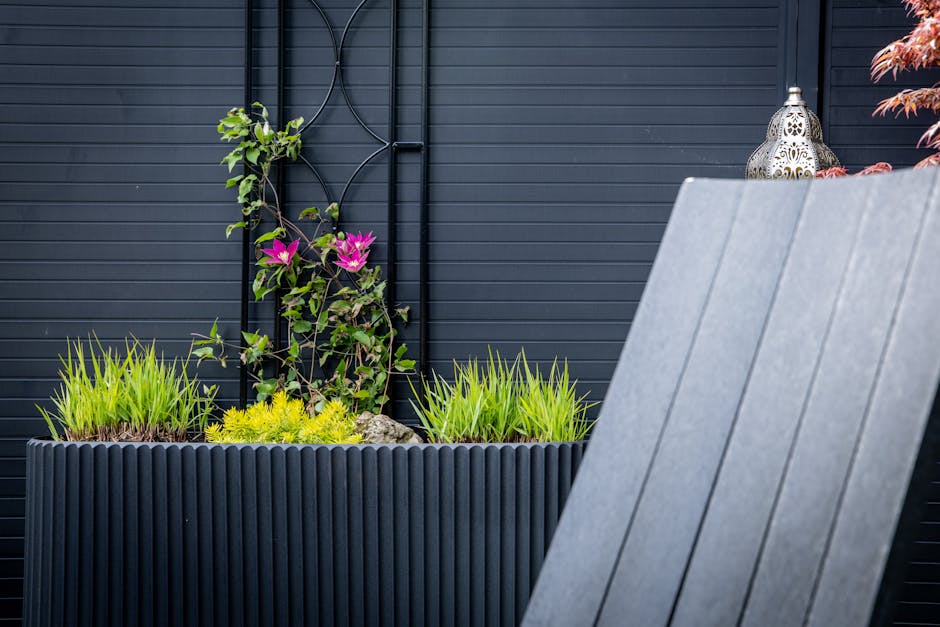
Colney Hatch Lane small garden makeover gardeners review: what to expect, how to choose well, and how to get the best result
If you are searching for a Colney Hatch Lane small garden makeover gardeners review, you probably want more than a glossy before-and-after photo. You want to know whether a local gardener can actually turn a cramped, awkward outdoor space into something tidy, usable, and worth the money. Fair enough too. Small gardens are unforgiving; one wrong layout choice, and suddenly the whole space feels tighter than it should.
This guide walks through what a small garden makeover usually includes, how the process works, what good results look like, and how to judge whether a gardener is a solid fit for your home on or around Colney Hatch Lane. It also covers common mistakes, practical planning steps, and the kinds of questions you should ask before any work begins. By the end, you should feel much clearer about the decision. Not dazzled. Just informed, which is better.
If you are comparing providers, it can help to look beyond the garden itself and understand the wider business signals too. For example, a reputable team should be open about their garden services overview, clear about pricing and quotes, and easy to speak to through their contact page.
Table of Contents
- Why Colney Hatch Lane small garden makeover gardeners review Matters
- How Colney Hatch Lane small garden makeover gardeners review Works
- Key Benefits and Practical Advantages
- Who This Is For and When It Makes Sense
- Step-by-Step Guidance
- Expert Tips for Better Results
- Common Mistakes to Avoid
- Tools, Resources and Recommendations
- Law, Compliance, Standards, or Best Practice
- Options, Methods, or Comparison Table
- Case Study or Real-World Example
- Practical Checklist
- Conclusion
- Frequently Asked Questions
Why Colney Hatch Lane small garden makeover gardeners review Matters
Small gardens are one of those jobs that look simple from the gate and then become surprisingly technical the moment you step in. On a narrow London plot, every inch matters. The difference between a garden that feels cramped and a garden that feels calm can come down to edging, levels, access, planting scale, and whether the layout lets light move properly across the space.
That is why a review-focused approach is useful. You are not just asking, "Can this gardener cut hedges or lay slabs?" You are asking whether they understand the whole picture: how to make a compact outdoor area feel bigger, how to avoid clutter, and how to choose materials that suit the property rather than fight it. A good review helps you assess judgement, not just labour.
Colney Hatch Lane and the surrounding North London area often include gardens with mixed light, boundary fencing, older paving, and practical limits on storage or access. In a small space, these constraints matter. A makeover done well should feel intentional, not busy. You want clean lines, sensible planting, and maintenance that does not become a weekend punishment.
Expert summary: the best small garden makeover is rarely the most dramatic one. It is usually the one that makes the space easier to use, easier to maintain, and quieter on the eye. That sounds simple, but it takes experience to get right.
In our experience, homeowners often know what they dislike - too much mess, too many weeds, not enough seating - but not exactly what the solution should be. That is normal. A good gardener helps translate vague frustration into a workable plan. If you are comparing firms, look at their about the team information as well as the service details. You are trying to judge whether they sound thoughtful, careful, and locally grounded.
How Colney Hatch Lane small garden makeover gardeners review Works
A meaningful review of a small garden makeover gardener usually looks at four things: the initial assessment, the design or plan, the quality of the execution, and the aftercare or follow-up guidance. That is the practical structure, even if no one says it out loud.
1. Initial assessment
This is where the gardener looks at the garden properly, not just from the patio door. They should notice drainage issues, shady corners, awkward access, existing soil condition, worn hard landscaping, overgrown edges, and any plant material that should be retained rather than ripped out. A quick walkaround can miss the important bits. A thorough one usually does not.
2. Planning the makeover
For a small garden, the plan should be simple enough to live with. That may mean defining zones: a sitting area, a planting strip, a path, and maybe one focal feature. It may also mean removing visual noise. A tidy boundary, fewer competing materials, and a limited plant palette often do more for the space than expensive extras.
3. Execution on site
Once work starts, the details matter. Are cuts clean? Is edging straight? Does the paving sit level? Are plants spaced sensibly? Does the final garden feel balanced from the main viewing points, especially the back door or kitchen window? You notice these things quickly on a small plot because there is nowhere for mistakes to hide.
4. Handover and maintenance advice
The best gardeners do not disappear when the last bag of waste is loaded. They explain what has been planted, how often to water, what to cut back, and what to watch for in the first few weeks. That advice is worth a lot, honestly. A neat garden that you cannot maintain becomes untidy again before you know it.
If you are reviewing a company's process, you can also look at support pages such as health and safety guidance and insurance and safety information. Those pages do not design a garden for you, of course, but they do tell you a lot about professionalism.
Key Benefits and Practical Advantages
A small garden makeover is not only about appearance. Done properly, it changes how you use the space and how often you want to spend time in it. That is the real payoff.
- More usable space: clever layout can make a modest garden feel less boxed-in.
- Lower maintenance: better planting choices and cleaner structure reduce ongoing chores.
- Improved flow: good design makes movement easier, especially in narrow gardens.
- Better first impression: the garden reads as cared for, even if it is compact.
- Seasonal interest: a well-planned border gives you colour and texture across the year.
- Higher day-to-day enjoyment: the space becomes somewhere you actually use, not just look at.
For many homeowners, the biggest benefit is psychological. A tired little garden can quietly drag down the feel of the whole home. But after a makeover, the back door opens to something calmer. You hear birds, maybe a bit of traffic in the distance, but the garden itself feels composed. That matters more than people admit.
There is also a practical side. Small gardens often suffer from patchy maintenance because each issue feels too small to prioritise. A makeover resets things. It gives you a structure you can manage properly. If you need ongoing support after that, see the site's wider range of garden services so you can judge whether one-off and follow-up work are both covered.
Who This Is For and When It Makes Sense
This kind of project suits a few different people, and not all of them are looking for the same thing.
Homeowners with a small rear garden
If your outdoor space is narrow, paved in the wrong places, or simply difficult to enjoy, a makeover can make daily life easier. This is especially true if you want a garden that feels tidy from the house and does not take hours to maintain.
Landlords and property managers
A clean, functional garden can help a rental property present better, even if the area is modest. The key is choosing durable finishes and easy-care planting rather than a high-maintenance scheme that needs constant attention.
Busy households
Families often want a garden that works for real life: somewhere for a chair, somewhere for the kids to kick a ball about, maybe a patch for pots. No fuss. Just sensible design that does not create more work.
People with a tired or awkward layout
Maybe the garden has become a dumping ground for broken pots, old sleepers, and half-finished ideas. We have all seen that kind of space. A makeover makes sense when the current layout is no longer serving any purpose.
Truth be told, the right time is often when you are fed up with putting off the same job. If you keep thinking, "We should really sort this out," that is usually the clue.
Step-by-Step Guidance
Here is a practical way to approach a small garden makeover without getting overwhelmed by the options.
- Walk the garden at different times of day. Morning and late afternoon light can change how a small space feels. Shade, glare, dampness, and privacy all show up differently.
- List your must-haves. For example: seating, lower maintenance, better planting, a path, or a tidier boundary.
- Separate wants from needs. A pergola sounds lovely. Fixing drainage may matter more. Be honest with yourself.
- Check the existing bones of the garden. Good paving, healthy soil, or an established shrub may be worth keeping.
- Choose a layout before plants. People often start with flowers and end up with a design that does not flow.
- Select a restrained palette. Two or three hard materials and a limited range of plants usually looks smarter than a bit of everything.
- Make sure access is practical. Think about bins, tools, storage, and how you will move through the space without squeezing past obstacles.
- Plan for maintenance. If you do not want to spend every weekend pruning, choose accordingly from the start.
- Ask for a clear quote and timeline. Unclear scope is where small projects become annoying fast.
- Review the result against your original needs. It is easy to get distracted by nice finishes. The real question is whether the garden now works better.
A simple site visit can reveal a lot. Sometimes the solution is a bigger planting bed and fewer hard edges. Sometimes it is the opposite. Small gardens are a bit like that - they reward restraint, then punish overconfidence. A touch annoying, but true.
Expert Tips for Better Results
These are the decisions that often separate an average makeover from a genuinely good one.
Think vertically, but carefully
In a compact garden, vertical planting, trellis, or wall-mounted features can help without eating floor space. The trick is not to overdo it. Too many tall elements can make the garden feel boxed-in. You want height with breathing room.
Use repetition to calm the eye
Repeating one plant family, one paving tone, or one container style can make a small space feel coherent. The eye stops jumping around. That is what creates a feeling of order.
Keep the number of materials low
Every extra surface type adds visual noise. For a small garden, a clean combination of paving, planting, and maybe gravel or timber is often enough. More is not always better. Actually, it usually is not.
Let the edges do some of the work
Sharp borders, neat edging, and tidy boundary treatment can make the whole plot feel finished. A garden can be small and still look polished if the edges are handled well.
Choose plants for habits, not just looks
Consider spread, height, leaf texture, and maintenance needs. A plant that looks good in a pot may become awkward in a border if it grows too quickly or flops over the path.
If you are assessing a team, ask how they handle waste and green materials too. A responsible company should be transparent about recycling and sustainability practices. That is a small detail on paper, but it says something about how carefully they work.
Common Mistakes to Avoid
Small gardens punish bad decisions faster than bigger ones. Here are the errors we see most often.
- Overcrowding the layout: too many features make the garden feel cramped.
- Ignoring maintenance: beautiful planting that needs constant attention is not always a win.
- Choosing the wrong scale: oversized pots, furniture, or planting can dominate a small plot.
- Mixing too many styles: a little bit of everything can look messy very quickly.
- Skipping the practical basics: drainage, access, and storage matter more than some people expect.
- Not asking about waste removal: a makeover can leave a surprising amount of debris if this is not planned well.
- Signing off too early: check the finish in daylight, not just at the end of a long workday when you are tired and relieved it is over.
One common trap is to spend heavily on decorative extras before the structure is right. Nice furniture will not rescue a badly planned layout. It just sits there looking expensive. A bit dramatic, but there you go.
Tools, Resources and Recommendations
You do not need a giant toolkit to manage a small garden well, but a few basics help a lot.
Useful tools for ongoing maintenance
- Secateurs for light pruning and deadheading
- A compact hand fork and trowel for border work
- A sturdy watering can or hose for dry spells
- A broom or leaf rake for keeping hard surfaces clear
- Good gloves that actually fit properly, which is strangely harder than it sounds
What to ask the gardener for
- A written scope of work
- Clear details on what is being removed, retained, planted, or repaired
- A simple maintenance explanation after completion
- Advice on what to do in the first month after the makeover
Helpful website pages to review
Before booking, it is worth checking pages that show how the business works day to day. The most useful ones are pricing and quote information, insurance and safety, and the company's background and approach. Those details make it easier to judge whether the team feels organised and credible.
If you have accessibility needs, or simply want to understand how the site handles user access, the accessibility statement can also be useful. It is not about the garden itself, but it does help build trust. Same goes for the terms and conditions and complaints procedure; not glamorous, perhaps, but very relevant when you are hiring anyone to do work at your home.
Law, Compliance, Standards, or Best Practice
For a small garden makeover in London, there is usually no special legal drama, but there are sensible standards to follow. If work involves waste removal, the gardener should manage green waste responsibly. If materials are being carried through tight access, the team should work carefully and avoid damage to property. If power tools are being used, basic safety practices matter. That sounds obvious, yet it is exactly where poor operators cut corners.
Where boundaries, drainage, shared access, or neighbouring properties are involved, it is worth slowing down and clarifying the plan before work begins. In a dense urban setting, a small misunderstanding can become a real nuisance. Better to have it in writing than to argue over it later on a rainy Thursday.
Good practice also includes being transparent about who is doing the work, how payments are handled, what is included in the quote, and what happens if the scope changes. A tidy business process usually reflects a tidy job on site. Not always, but often enough to matter.
For broader trust and operational detail, it is reasonable to review pages such as health and safety policy, payment and security, and privacy policy. These are the kinds of pages that show a company is thinking beyond the handover photo.
Options, Methods, or Comparison Table
If you are weighing up how to tackle a small garden, it helps to compare the main approaches. The right one depends on budget, time, and how much change you want at once.
| Approach | Best for | Typical strengths | Potential drawbacks |
|---|---|---|---|
| Light refresh | Gardens that are basically functional but scruffy | Lower disruption, faster turnaround, less cost | May not solve layout issues |
| Partial makeover | Spaces with a mix of good and poor elements | Balances improvement with budget control | Some old issues may remain |
| Full redesign | Gardens with poor structure, drainage, or access | Most transformative, better long-term function | More planning, more cost, more disruption |
In practice, many Colney Hatch Lane homeowners end up somewhere between a refresh and a partial makeover. That is often the sweet spot. Enough change to make a clear difference, not so much that the project becomes a months-long ordeal. Nobody really wants a garden that feels like a building site forever.
Case Study or Real-World Example
Picture a narrow rear garden with a cracked path, patchy lawn, and two overgrown shrubs crowding the light. Nothing unusual there. From inside the house, the space looks untidy and slightly gloomy, especially in the evening when the shadows drop. The owners do not need a full architectural overhaul. They need it to feel usable again.
A sensible makeover might start by removing the worst debris, lifting tired edging, and reducing the number of competing features. The path could be straightened, the old lawn reduced or replaced with a more practical surface, and a small planting plan introduced using a few reliable shrubs, some evergreen structure, and seasonal colour. A bench or compact bistro set might then work because the layout finally supports it.
The result would not be flashy. But it would feel calm. More open, easier to sweep, easier to water, easier to live with. That is the kind of transformation many people are really after, even if they say they want "something modern" at first. Sometimes modern just means less stress.
A homeowner reviewing that experience would probably focus on three things: whether the gardener listened properly, whether the finished space matched the brief, and whether the maintenance advice made sense. That is a fair review framework, and a useful one.
Practical Checklist
Use this checklist before you book a small garden makeover gardener.
- Have I identified the main problem with the garden?
- Do I know what I want to keep, remove, or improve?
- Have I set a realistic budget range?
- Have I checked whether the business explains its services clearly?
- Have I reviewed the quote process and payment information?
- Do I understand who will do the work and how access will be handled?
- Have I asked how waste and materials will be disposed of?
- Do I know what maintenance will be needed after the makeover?
- Have I read the company's safety and trust pages?
- Am I happy with the timeline and the level of communication?
Quick decision tip: if the gardener is vague about scope, timeline, or aftercare, slow down. A polished garden starts with a clear conversation. Simple as that.
Conclusion
A good Colney Hatch Lane small garden makeover gardeners review should help you separate genuine skill from surface-level presentation. The best gardeners do not just tidy a space. They make it work better, look calmer, and feel easier to maintain. That is the real test.
If you are planning a makeover, focus on the basics: clear communication, sensible design, practical materials, and proper aftercare. Check the company's service overview, pricing guidance, safety information, and trust pages. Then judge the rest by how well they listen and how clearly they explain what happens next.
In a small garden, a little expertise goes a long way. And when it is done well, you notice it every time you open the back door on a fresh morning.
Get a free quote today and see how much you can save.
Frequently Asked Questions
What should I look for in a Colney Hatch Lane small garden makeover gardener?
Look for clear communication, practical design thinking, evidence of tidy workmanship, and a sensible plan for maintenance. If they can explain how they will make the space feel bigger or easier to use, that is a good sign. Vague promises are less helpful than specific ideas.
How much work does a small garden makeover usually involve?
It can be as light as clearing, reshaping borders, and improving planting, or as involved as changing paving, layout, and boundaries. The scope depends on what is wrong with the space. A proper review should tell you whether the proposed work is a refresh, a partial makeover, or a full redesign.
Is a small garden makeover worth it if the space is really tiny?
Often, yes. Tiny gardens can benefit a lot from better structure, fewer materials, and more deliberate planting. The key is not trying to force too much into the plot. A small, well-planned garden usually beats a crowded one every time.
How long does a small garden makeover take?
That depends on the amount of groundwork, access, and whether materials need to be removed or installed. A simple refresh may be relatively quick, while a full redesign naturally takes longer. A good gardener should give you a realistic timeline before work starts.
What are the biggest mistakes people make with small gardens?
The most common mistakes are overcrowding the layout, choosing oversized features, and ignoring maintenance needs. Another frequent issue is starting with plants before the structure is sorted. In a small garden, layout comes first.
Should I choose a low-maintenance design?
If you are busy or do not want regular heavy upkeep, then yes, low-maintenance design is often the sensible route. That does not mean no maintenance at all. It means selecting materials and plants that are easier to live with over time.
How do I know if a quote is fair?
A fair quote should clearly explain what is included, what is excluded, and how changes will be handled. If the price seems unclear rather than expensive, ask for details. You should be able to understand the scope without decoding it like a puzzle.
Do I need to prepare the garden before the team arrives?
Usually, yes, at least a little. Clear personal items, move fragile pots, and make access as easy as possible. If the gardener gives you a preparation list, follow it. It saves time and avoids unnecessary damage.
Can a gardener help with both design and build work?
Many can, though the exact service varies. Some will focus on practical implementation, while others offer more input on layout and planting. If design support matters to you, ask directly rather than assuming it is included.
What should happen after the makeover is finished?
You should receive a clear handover: what has been done, how to care for new planting, and any follow-up steps. If the garden includes fresh planting or new materials, ask what you should expect in the first few weeks. That is where a lot of good work either settles in nicely or starts to slide.
Are safety and insurance important for a small job?
Yes. Even a small project can involve tools, lifting, and movement through tight spaces. It is sensible to check that the business has proper safety processes and insurance coverage. A careful operator will not mind the question.
What is the best next step if I am ready to book?
Start by requesting a clear quote and asking how the project will be handled from start to finish. If you are still comparing options, review the company's service pages, safety information, and pricing guidance first. A calm, well-informed decision usually leads to a better garden and a less stressful experience.