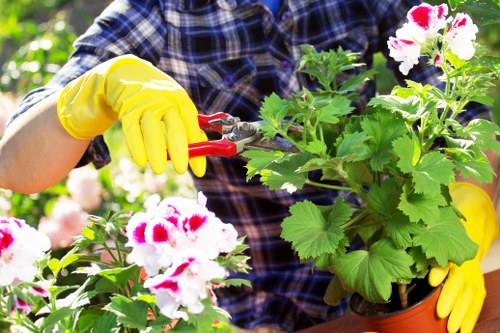
Hedge Trimming Muswell Hill — Recycling and Sustainability
At Hedge Trimming Muswell Hill we treat every hedge cut, clipped branch and green pile as a resource. Our sustainable hedge maintenance in Muswell Hill aims to reduce landfill, increase local reuse and support circular gardening systems across the borough. This page outlines our targets, partnerships, and practical steps to ensure eco-friendly waste disposal and a greener gardening approach throughout Muswell Hill and neighbouring streets.
We set a clear recycling percentage target for our operations: a minimum 75% recycling rate for all material we collect from jobs in the area within the next three years. To reach that target we prioritise on-site segregation into streams — wood, green waste, mixed organics, metals and bulky residue — and send each stream to the most appropriate facility. Our fleet includes low-carbon vans and electric vans where routes and payloads allow, reducing transport emissions while still delivering reliable hedge care.
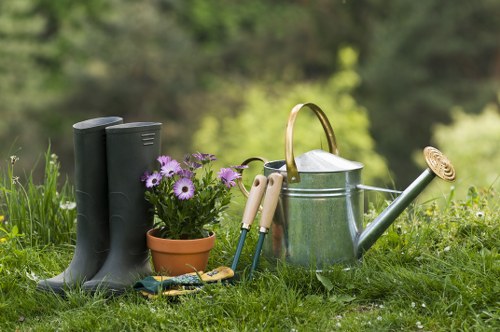 Muswell Hill's proximity to several North London recycling initiatives means we can align our collections with local authority schemes. The Haringey approach to waste separation supports separate garden waste and dry recycling collections, and we work within those systems so that garden cuttings and chipped wood can be composted or used as mulch rather than entering general waste. We also follow recommended separation for metal fixings and plastic ties to increase diversion from landfill.
Local transfer stations and logistics
Efficient routing to nearby transfer stations and resource centres is a cornerstone of sustainable hedge trimming in Muswell Hill. We use local transfer sites and regional facilities to make sure each material type is processed correctly. Our logistics plan reduces double-handling and cuts unnecessary miles.
- Local transfer stations: we co-operate with Haringey transfer facilities and neighbouring North London processing centres to route green waste and timber for composting and chipping.
- Material routing: wood chippings go to biomass or landscape reuse, green organics to community composters and council green waste systems, and metals to scrap recycling.
- Low-carbon movement: consolidation hubs help fill low-emission vehicles and reduce the number of general waste trips.
Partnerships with local charities and community organisations amplify the value of diverted materials. We donate reusable timber and intact planters to allotment societies and community gardens, and work with environmental charities to support urban greening. These collaborations turn what would be waste into resources for planting projects, local compost hubs and neighbourhood biodiversity schemes.

How we measure success and maintain transparency
We track every load, recording weights and destination streams so our recycling percentage is verifiable. Regular audits, reporting and route optimisation software help us monitor progress toward the 75% diversion goal. When possible, we publish anonymised summaries of our waste flows to help local residents see the benefits of sustainable hedge maintenance.
Our operational commitments include:
- Segregation at source: sorting wood, green waste, metal and non-recyclable residuals on-site wherever space allows.
- Low-carbon vans: increasing the share of electric or plug-in hybrid vans in our fleet and using cargo bikes for small-scale, inner-ward collections.
- Route efficiency: software planning to minimise mileage and emissions while maximising material delivery to the right facility.
Sustainable gardening and waste reuse
Our approach to sustainable rubbish gardening focuses on retaining nutrients locally. Wood chipping becomes mulch for serving the same site or donated community beds; compostable cuttings feed municipal and community composting facilities. We also separate and recycle small metal stakes, wire ties and soil-improving materials. By prioritising reuse and local processing, our Muswell Hill hedge care supports soil health and urban biodiversity — not just cleaner streets.
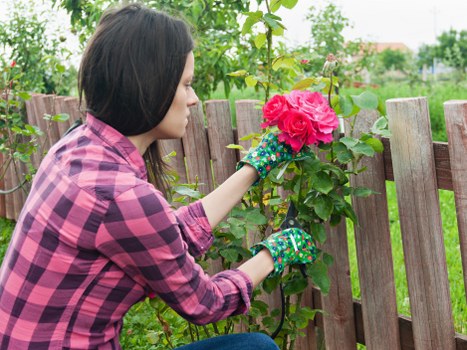 Practical steps for residents and clients: please help us improve recycling outcomes by following a few simple practices before we arrive. If you can, set aside clean wood for chipping, keep plastic pots and non-organic waste separate, and flag any hazardous garden waste so we can advise on safe handling. We accept most green garden waste from pruning and trimming, and will advise where particular items (treated timber, large tree roots, or contaminated soil) should be taken for specialist processing.
 In closing, our Muswell Hill hedge trimming and garden clearance services are built around a clear environmental mission. We combine ambitious targets, strong local partnerships with charities and community groups, and a progressive fleet of low-carbon vans to minimise waste and maximise benefit to the local environment. By working together — residents, local authorities, charities and our team — we can make sustainable waste disposal the norm and preserve Muswell Hill’s leafy character for future generations.